EN

Translate:

Emotional Fluency Project
  • HOME
  • RESEARCH
  • HISTORY
  • EFTA
  • WORKSHOPS
    • PREVIOUS WORKSHOPS
    • UPCOMING WORKSHOPS
  • PRESENTATIONS
    • PREVIOUS PRESENTATIONS
    • UPCOMING PRESENTATIONS
  • ABOUT US
  • More
    • HOME
    • RESEARCH
    • HISTORY
    • EFTA
    • WORKSHOPS
      • PREVIOUS WORKSHOPS
      • UPCOMING WORKSHOPS
    • PRESENTATIONS
      • PREVIOUS PRESENTATIONS
      • UPCOMING PRESENTATIONS
    • ABOUT US
  • Sign In

  • My Account
  • Signed in as:

  • filler@godaddy.com


  • My Account
  • Sign out


EN

Signed in as:

filler@godaddy.com

  • HOME
  • RESEARCH
  • HISTORY
  • EFTA
  • WORKSHOPS
    • PREVIOUS WORKSHOPS
    • UPCOMING WORKSHOPS
  • PRESENTATIONS
    • PREVIOUS PRESENTATIONS
    • UPCOMING PRESENTATIONS
  • ABOUT US

Account

  • My Account
  • Sign out

  • Sign In
  • My Account

Upcoming Workshops

Working with Emotions

December 11 – 15, 2026

Vancouver, British Columbia

Emotional Fluency Training for Actors supported by Alexander Technique

A Five-Day Intensive for Actors, Acting Teachers, Coaches, and Directors

What if you could access strong emotion when you need it—regulate it, repeat it, and remain fully available to your scene partner?

Why Attend

Working with emotion is central to performance, yet many approaches place significant psychological demands on performers while offering few practical tools for emotional regulation and recovery.


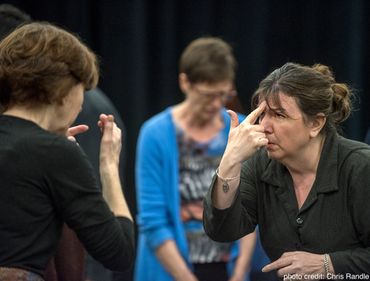
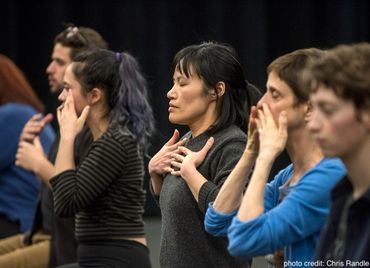
Working with Emotions is a five-day intensive designed to introduce participants to Emotional Fluency Training for Actors (EFTA), a consent-based, trauma-informed, somatic and skill-based

approach to working with emotion. Using the Emotional Effector Patterns, participants learn how emotions function physiologically and develop practical skills to stimulate, regulate, and transition between emotional states with precision, control, and agency—without drawing on personal emotional history.


The work supports the demands of rehearsal, performance, teaching, and coaching while aligning with contemporary practices around consent, psychological safety, and respectful working environments. EFTA provides a shared language and practical toolkit for emotionally demanding work.


Participants who have completed EFTA workshops report:

  • Greater emotional range
  • Increased ability to repeat performances consistently
  • Stronger moment-to-moment connection with scene partners
  • Increased confidence working courageously and safely
  • Clearer separation between personal emotion and performed emotion


Alexander Technique (AT) is a cognitive embodiment training that provides tools to increase awareness of automatic patterns of movement and reaction. Recognizing these patterns allows actors to consciously interrupt habitual responses, opening space for new, authentic and nuanced possibilities in relation to self, text and scene partner.


Alexander Technique is integrated throughout the intensive to help participants recognize and release unnecessary patterns of tension, increase physical freedom, remain responsive while working with heightened emotional states, and return to a state of balance.


Together, EFTA and Alexander Technique invite participants to explore the dynamic relationship between emotion, body, breath, impulse, and action. What happens when strong emotion arises in

the body? Where do we tighten, interfere, or hold? What becomes possible when we can remain emotionally activated without sacrificing physical freedom, responsiveness, or choice?


EFTA sessions will be led by Emotional Fluency Project team members Tom Stroud, Kate Bateman, and Gayle Murphy, with the Alexander Technique sessions led by Gabriella Minnes Brandes of the Alexander Technique Centre Vancouver.


To learn more about Gabriella, Alexander Technique, and its applications, visit The Alexander Technique Centre

Who Should Attend

This workshop is designed for:

  • Actors seeking practical methods for embodying the emotional life of a character in ways that are accessible, reliable, and repeatable while supporting resilience and well-being.
  • Acting teachers and coaches looking for a somatic, consent-based framework that supports student agency and emotional safety.
  • Directors who want practical tools for guiding emotional work in rehearsal without psychological intrusion.
  • Educators and trainers interested in integrating current research in emotion science into studio practice.


Participants may be early-career, mid-career, or experienced professionals; the work is adaptable across levels and training contexts. No previous experience with the Emotional Effector Patterns is

required. Theatre practitioners who already have experience with the Patterns and want to explore their application to theatre practice are also welcome.

What the Workshop Covers

Participants will:

  • Learn the basic Emotional Effector Patterns and how to combine them to create complex emotional states.
  • Practice strategies for entering, exiting, regulating, and transitioning between emotional states.
  • Explore somatic exercises that build emotional awareness, responsiveness, and resilience.
  • Use Alexander Technique principles to identify habitual patterns of tension and interference and support greater physical freedom and choice.
  • Explore the relationship between emotion, breath, body, impulse, action, text, and scene partner.
  • Apply EFTA principles through acting in or coaching a short monologue or scene.


Participants will also receive reference materials outlining the history and evolution of the Emotional Effector Patterns, the development of EFTA, and its relationship to current research in emotion science.

Development & History of Emotional Fluency Training for Actors

EFTA emerged from many years of professional practice and pedagogy in actor training, movement, and somatic approaches to emotion. Its foundations lie in the teaching of Alba Emoting™ and The

Emotional Body® method, both of which employ the Emotional Effector Patterns—a somatic system that uses breath, posture, and facial expression to stimulate and regulate emotional states.


In 2018, Ines Buchli, Tom Stroud, and Gayle Murphy undertook a two-year SSHRC-funded research project to adapt the Emotional Effector Patterns specifically for the acting process, focusing on emotional accessibility, repeatability, and performer well-being.


Since that time, Buchli and Stroud have continued to refine EFTA through ongoing teaching and practice with professional and student actors, educators, and coaches nationally and internationally. The resulting model is somatic, consent-based, trauma-informed, and specifically tailored to the needs of performers and those who work with them.

Workshop Details

Dates: December 11–15, 2026

Time: 10:00 a.m.–5:00 p.m.

Location: BMO Theatre Centre, 162 West 1st Avenue, Vancouver, BC

Cost

In recognition of ongoing financial challenges, the workshop is offered at the following rates:

  • Full Price: $600 CAD
  • Early Bird: $500 CAD on or before November 15, 2026
  • Special Discount: $450 CAD for returning participants

Enrolment & Registration

Enrolment is limited to support a focused and individualized learning environment.


How to Apply

Please email the following information to emotionalfluency@gmail.com : 

  1. Briefly summarize your theatre experience and level of proficiency with the Emotional Effector Patterns, if applicable.
  2. Briefly summarize your interest and goals in taking the workshop.

Once your application is submitted, you will be notified of your acceptance into the workshop within three business days. Registration is required upon acceptance to secure your place.


Registration

A deposit of 25% of the workshop fee is required to hold your place upon acceptance. To receive the Early Bird rate, full payment is due by November 15, 2026.


Payment can be made via e-transfer tstroud5398@gmail.com or by PayPal.


For any questions, please contact us at emotionalfluency@gmail.com

Stay tuned for more information on upcoming workshops!

Subscribe to get notified about upcoming events!

Emotional Fluency Workshop Cancellation Policy

If you need to cancel

An accurate attendance count is critical in the planning and success of our workshops. If an attendee needs to withdraw from a workshop, they must inform us in writing via email prior to the first day of the scheduled workshop. If you need to cancel your participation in a workshop, the following refund schedule applies:


  • A full refund of Deposit or Registration fees until the Early Bird cut-off date.
  • Between 14 - 30 days before the start date, a cancellation fee of 10% of total workshop registration paid.
  • Less than 14 days before the start date, a cancellation fee of 40% of total workshop registration fees paid.
  • 48 hours or less before the start date, no refund is available.


The Emotional Fluency project follows the professional guidelines of conduct outlined in Not in Our Space on the Canadian Actors Equity website.        
This agreement makes our working environment safe and productive for all participants. If these guidelines are breached the faculty has the right to terminate your participation in the workshop, and in this case, no refund will be provided.

Workshop Cancellation

Although it is highly unusual, if a workshop must be cancelled for any reason, participants will be notified immediately and will receive a complete refund of all workshop fees. The Emotional Fluency workshop is not responsible for expenses incurred beyond the registration fees.

Contact Us

Emotional Fluency ©

  • HOME

Powered by